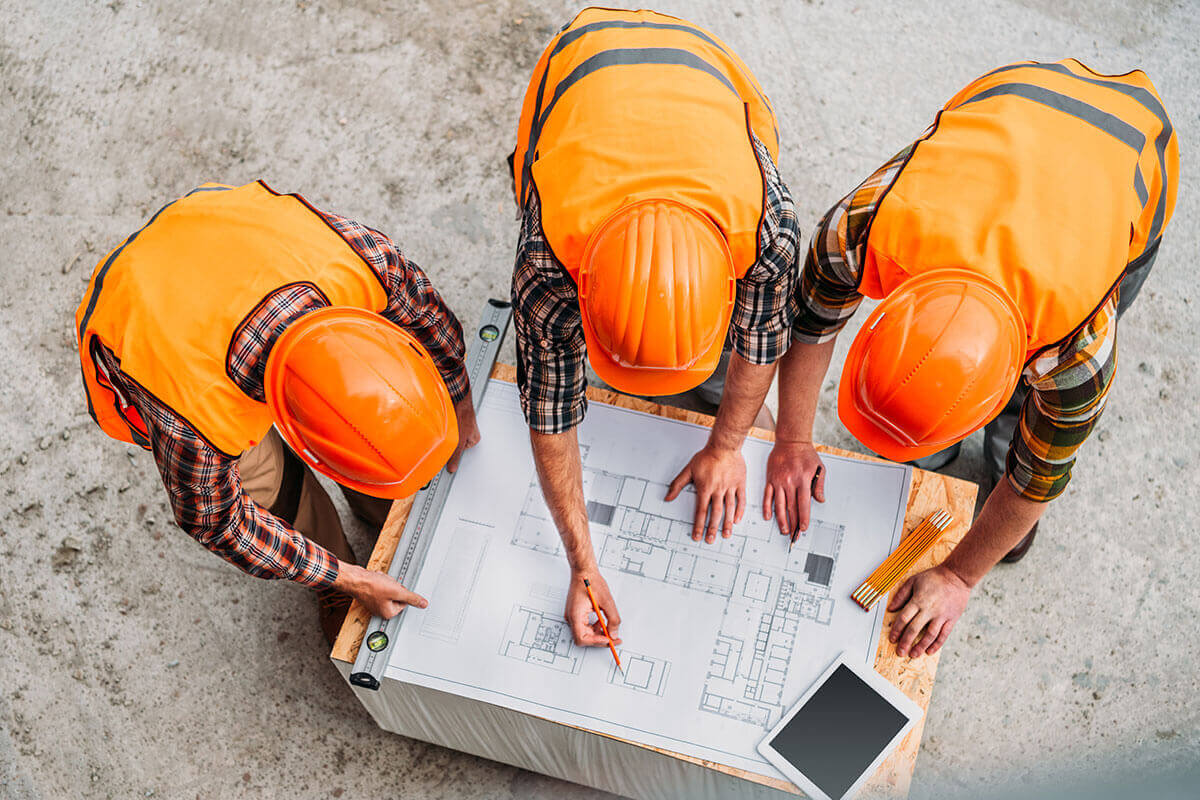
The Shift Toward Integrated Project Delivery
Traditional construction models often separate design and execution — architects design, contractors build, and project managers try to keep everything in sync. But this approach can create communication gaps, delays, and cost overruns.
Today, more companies are turning to Integrated Project Delivery (IPD) or “Design-Build” models. These systems bring designers, engineers, and contractors together from day one. The result? Better collaboration, faster timelines, and fewer surprises once construction begins.
In Seattle’s competitive commercial market, this shift is becoming the new norm. With tech companies, healthcare facilities, and mixed-use developments on the rise, there’s a growing demand for teams that can think holistically and manage both design and construction under one vision.
Technology as the Bridge
Modern technology plays a huge role in bridging the gap between planning and execution. Building Information Modeling (BIM), for example, allows every stakeholder — from architects to electricians — to view the same 3D digital model. This helps identify potential conflicts before they happen, saving both time and money.
Cloud-based project management tools have also transformed how teams communicate. Updates, progress tracking, and scheduling adjustments happen in real time, keeping clients informed and projects moving smoothly.
For companies in the Seattle and Eastside area, where sustainability and efficiency are top priorities, these digital tools aren’t just convenient — they’re essential.
Sustainability as a Design Priority
Sustainability isn’t a buzzword anymore; it’s a baseline expectation. Businesses want energy-efficient, eco-friendly spaces that reflect their values and reduce long-term operating costs.
Design and project management teams now collaborate from the start to incorporate LEED-certified materials, efficient HVAC systems, and natural lighting strategies. Even choices like locally sourced materials or rainwater collection systems can make a major difference.
In the Pacific Northwest, where environmental responsibility is part of the culture, these details matter to clients — and to the communities where buildings take shape.
Managing Complexity with Clarity
Commercial projects are complex by nature. From zoning approvals to budget constraints, hundreds of moving parts must align perfectly. That’s where strong project management makes the difference.
Good managers don’t just track schedules — they anticipate challenges before they become problems. They coordinate between architects, engineers, suppliers, and subcontractors while keeping clients informed at every stage.
When design and project management operate hand-in-hand, the client experience becomes much smoother. Decisions are made faster, communication is clearer, and quality stays consistent from the first sketch to the final inspection.
Building for the Future of Seattle
Seattle’s skyline and surrounding areas like Kirkland and Bellevue continue to evolve. As new businesses grow and existing ones expand, the demand for adaptable, sustainable, and beautifully designed commercial spaces will only increase.
Construction companies that embrace collaboration, invest in technology, and prioritize sustainability are positioning themselves for long-term success.
Whether it’s a small retail renovation or a multi-story office build, integrating design and project management isn’t just a trend — it’s the foundation of better, smarter construction.